


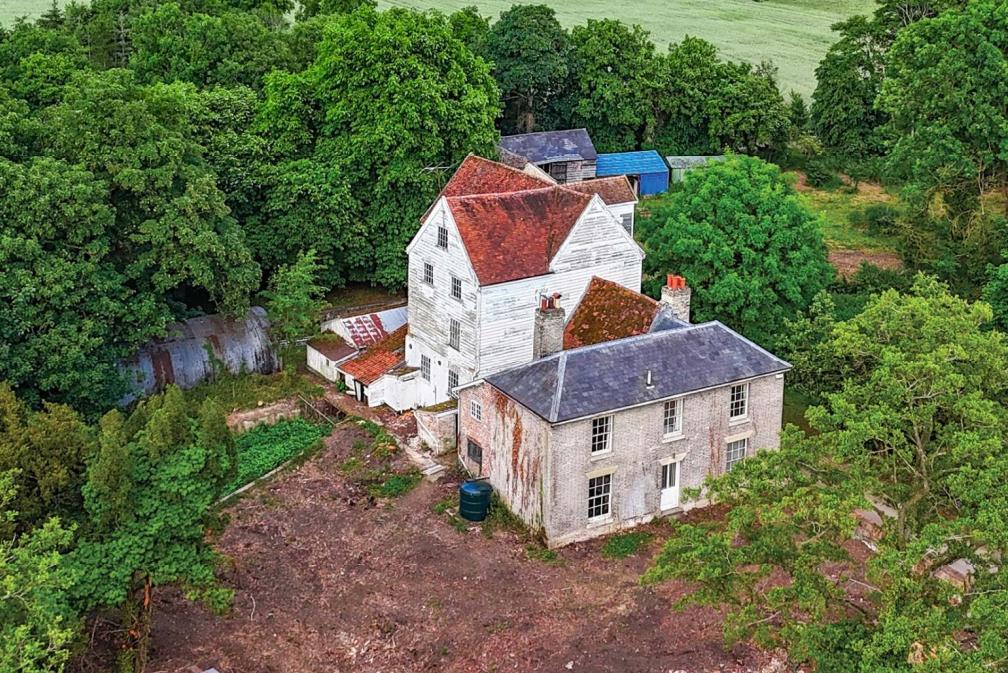


The family of an eccentric painting collector have put his 400-year-old historic mill on the market for £375,000 as repairs would be too expensive.
Ernest Onians was a Suffolk entrepreneur who made his fortune selling Tottenham Pudding, a type of pig feed made of human food after the war.
He purchased Baylham Mill, near Great Blakenham, in the 1950s as a unique place of residence and somewhere to keep his art.

It is said that he had too many canvases to hang on the walls, so he simply piled them up, keeping some in his chicken sheds.
Following his death in 1994, his housekeeper, Jennifer James, lived in the home before she passed away recently, meaning the home has become the property of Charles and Isabelle Onians, his grandnephew and grandniece.
The pair said they wanted to revamp the site and turn it into a museum, but this would simply be too expensive.

Consequently, the site has now been put on the market with Jackson Stops and Lacy Scott and Knight for £375,000.
Charles Onians said: "We would love it to be a working mill, a museum or a cultural venue for exhibitions.
"But the amount of money that it would cost to fix the place up. We just don't have it.
"We've got plenty of love, but we haven't got the time or the money."

He added that he had "fond memories" of the mill and it will always be a "magical place" to him.
The Grade II* listed site requires complete renovation of its gardens and grounds and the family do not believe this would be enough, even with grants and supports from local authorities.

The site is understood to be the only complete water mill on the River Gipping with the main Mill House dating back to the early 16th Century, while the former Mill dates back to the mid-19th Century.
A spokesman for Jackson's Stops added: "The Mill itself is considered one of the most significant water mills in Suffolk and is the last complete example on the River Gipping.

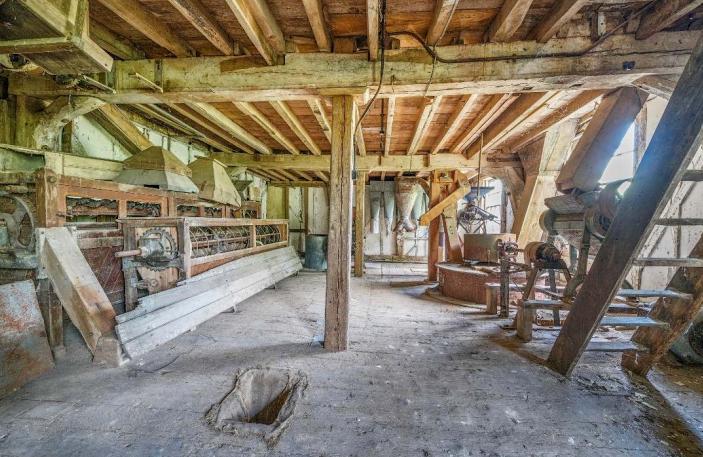
" Inside, the surviving internal machinery bears evidence of several phases of development.
"Obviously, none of these parts are working currently."
Water mills in Suffolk are historically and culturally significant as vital medieval economic engines.
Besides flour milling, they were used for fulling cloth, paper manufacture, oil manufacture, and draining, serving as hubs of rural production.
John Constable's paintings have also helped them to become iconic symbols of the pastoral landscape, bringing in tourism from across the country.


Share